
Can Beginners Climb Mount Kilimanjaro?
Discover whether beginners, older travelers, and first-time hikers can safely climb Mount Kilimanjaro with the right route and preparation.
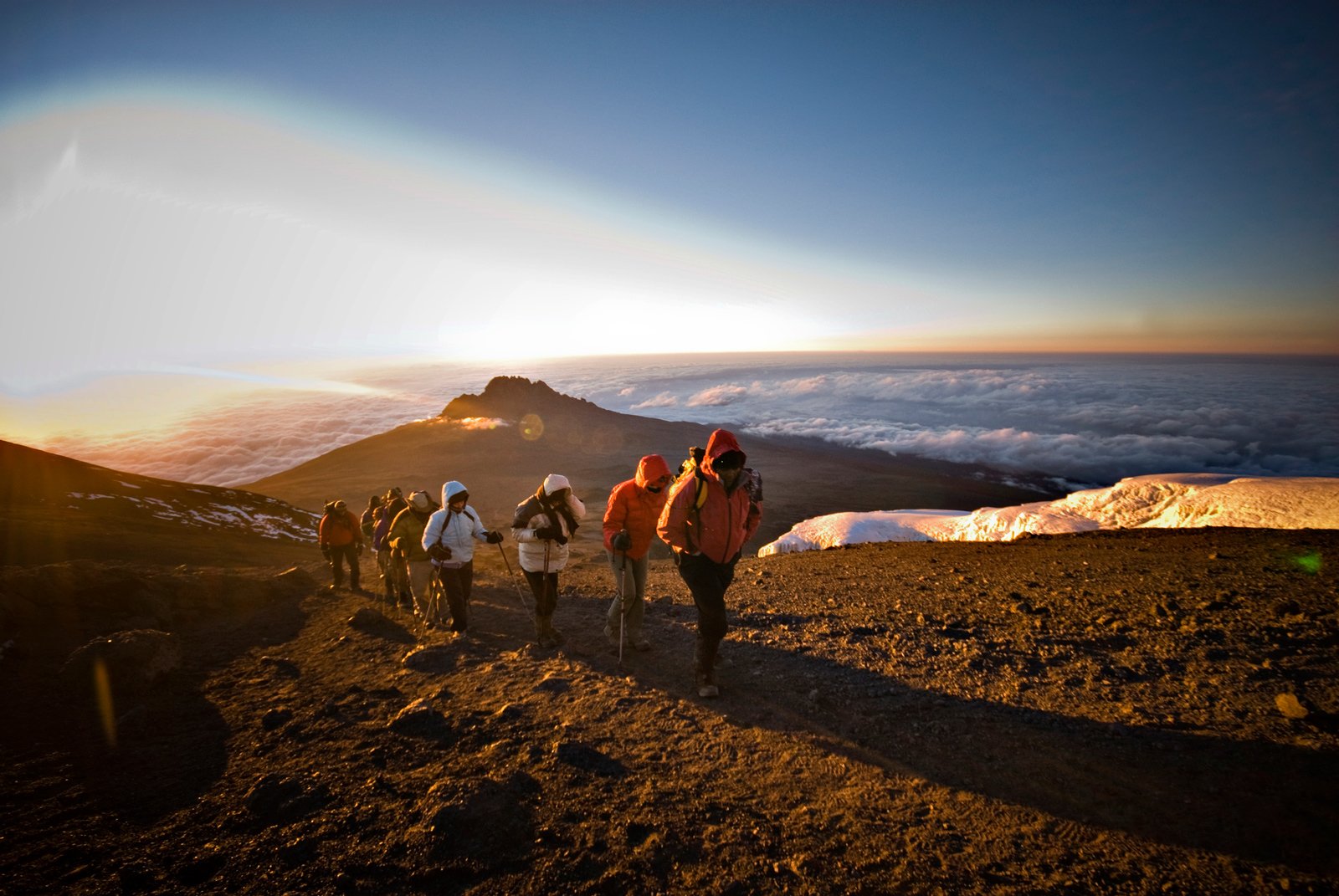
Can Beginners Really Climb Mount Kilimanjaro?
Yes — beginners absolutely can climb Mount Kilimanjaro successfully. Every year, thousands of first-time hikers, older travelers, nervous adventurers, and people with no mountaineering experience reach Uhuru Peak with the support of experienced guides and proper acclimatization. Unlike technical mountains that require ropes, ice climbing, or advanced alpine skills, Mount Kilimanjaro is primarily a high-altitude trek. Most of the journey involves walking slowly through changing ecosystems inside Kilimanjaro National Park while your body adapts to altitude. At Climb2Kili Adventures, we guide beginners from around the world through carefully paced Kilimanjaro expeditions using routes such as Machame, Lemosho, Marangu, Rongai, and Northern Circuit. With the right route choice, realistic preparation, and strong guide support, beginners can safely experience one of Africa’s greatest adventures.
No Technical Skills Needed
Kilimanjaro is a trekking mountain, not a technical climbing expedition.
- No ropes required
- No climbing experience needed
Guided Expeditions
Professional Tanzanian mountain guides support climbers every day.
- Daily health monitoring
- Experienced summit support
Multiple Route Options
Routes like Lemosho and Northern Circuit are beginner-friendly.
- Better acclimatization
- Gradual altitude gain
Life-Changing Achievement
Reaching Uhuru Peak becomes a personal milestone for many beginners.
- Confidence-building journey
- Unforgettable summit experience
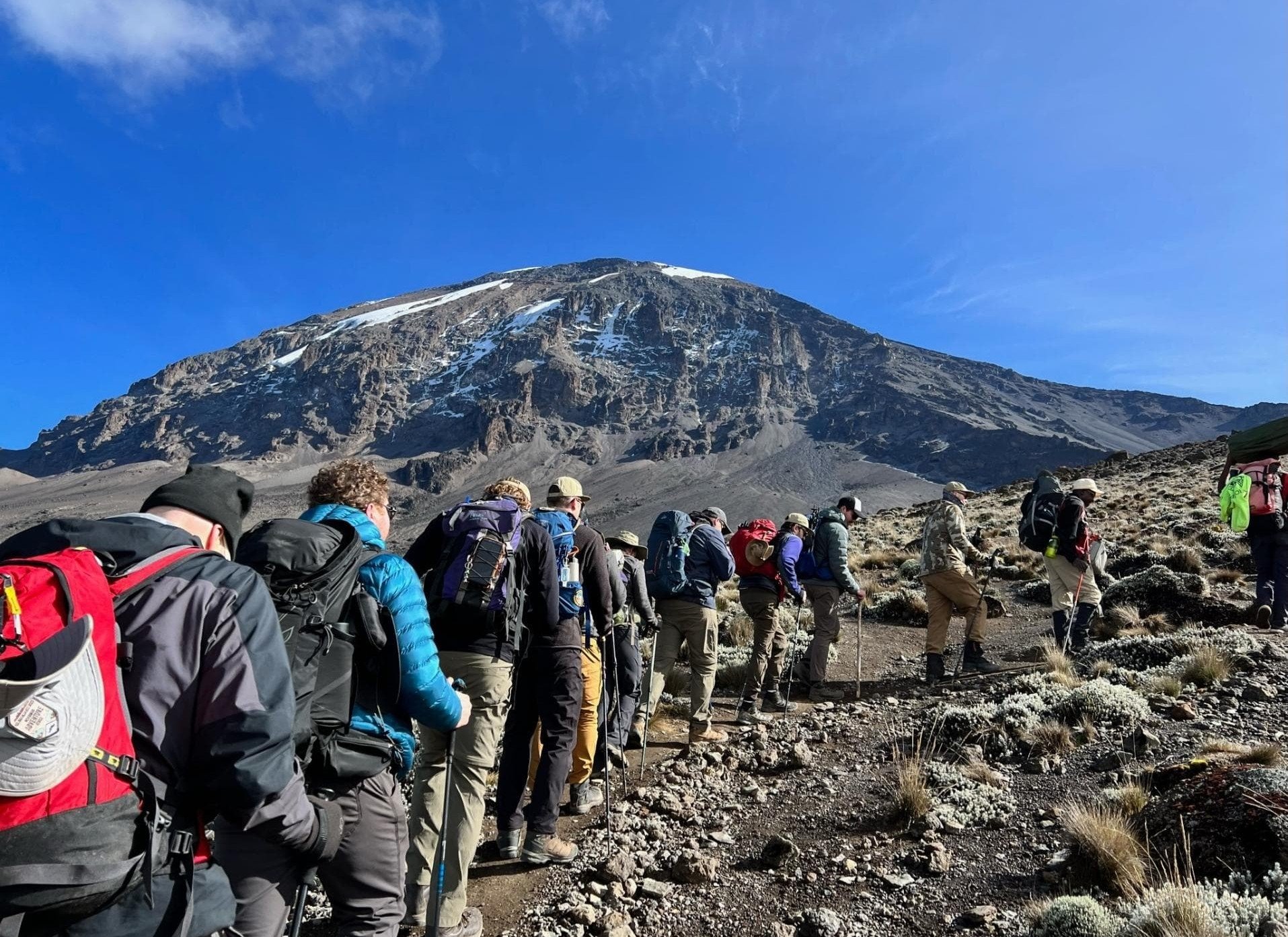
Why Kilimanjaro Is Popular with Beginners
Mount Kilimanjaro attracts beginners because it offers a rare opportunity to climb one of the world’s Seven Summits without needing advanced mountaineering skills. Travelers from Europe, North America, Asia, and Australia often choose Kilimanjaro as their first major mountain challenge. The climb passes through rainforest, moorland, alpine desert, and arctic summit zones, creating a dramatic adventure experience without technical climbing obstacles. Climbers simply walk slowly day by day while acclimatizing to increasing elevation. This accessibility makes Kilimanjaro especially attractive for first-time trekkers, couples, solo travelers, retirees, charity groups, and travelers looking for a meaningful personal challenge.
Best Kilimanjaro Routes for Beginners
Choosing the right route is one of the most important decisions for beginner climbers. Routes with longer itineraries and gradual altitude gain dramatically improve summit success and overall comfort. The Lemosho Route is widely considered one of the best options for beginners because it combines beautiful scenery with excellent acclimatization. Climbers approach Kilimanjaro slowly from the western side before joining the southern circuit toward Barranco Camp, Karanga Camp, and Barafu. The Northern Circuit offers the highest acclimatization potential on the mountain. Its longer itinerary allows the body to adjust naturally while avoiding some of the busier trails. Older travelers and nervous climbers often prefer this route because of its slower pace and reduced altitude pressure. Machame is another strong beginner route for travelers with moderate fitness who want scenic trekking and a more adventurous atmosphere. Marangu remains popular due to hut accommodation, although shorter itineraries can reduce acclimatization time compared to Lemosho or Northern Circuit.
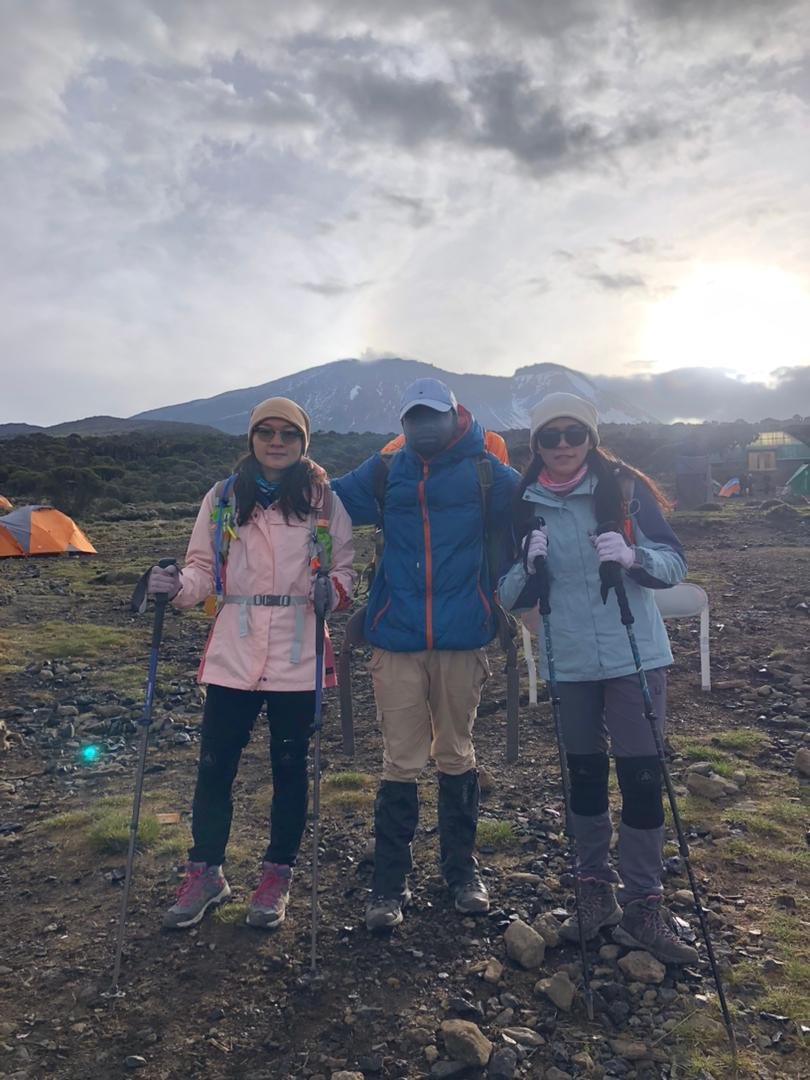
Lemosho Route
Premium acclimatization and stunning scenery for first-time climbers.
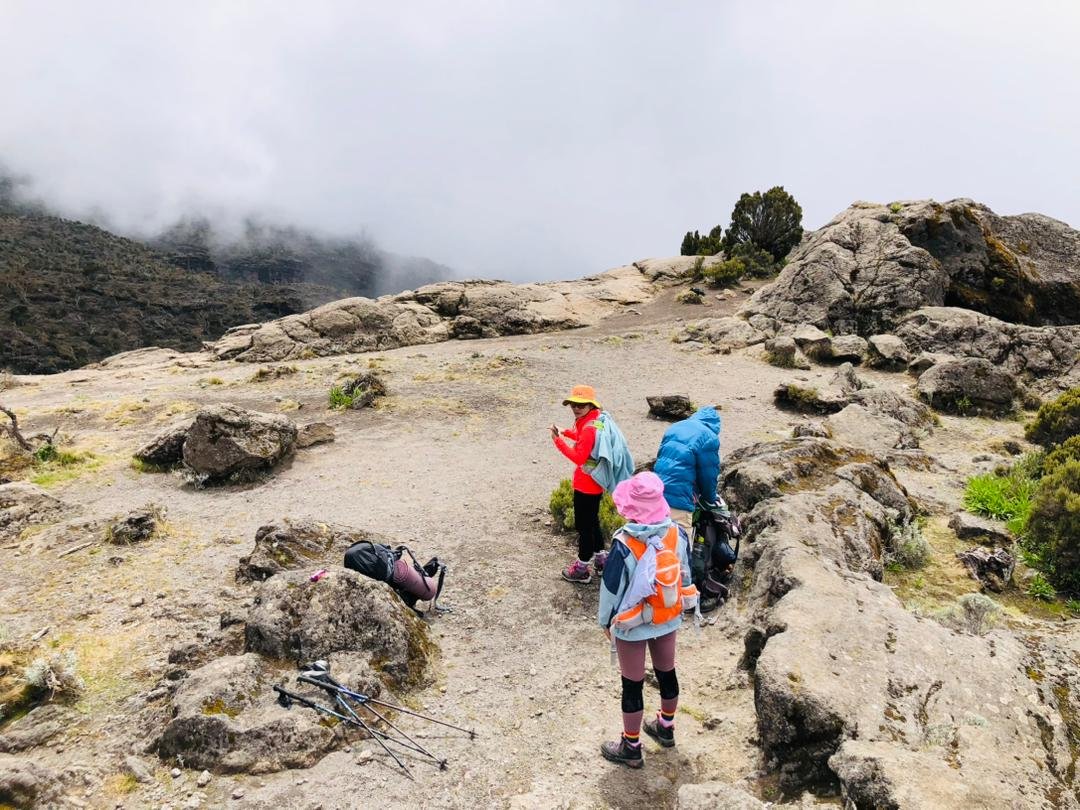
Machame Route
Scenic adventure route with strong summit success potential.
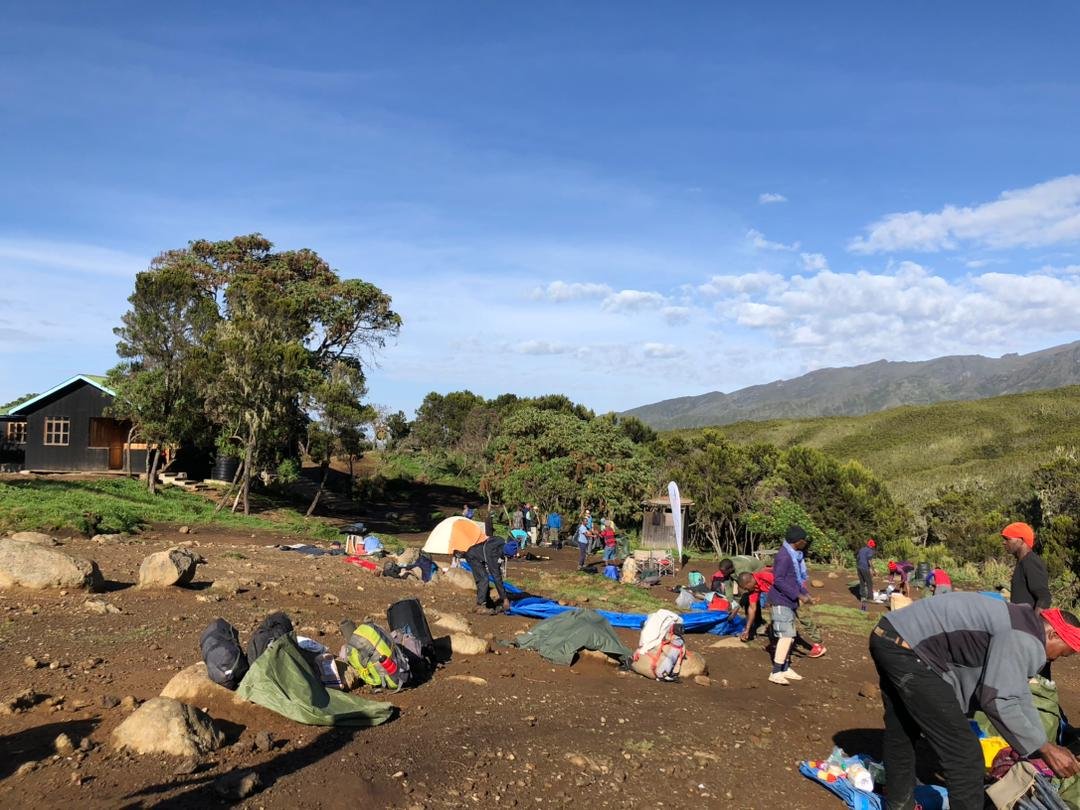
Northern Circuit
Longest route with exceptional acclimatization profile.
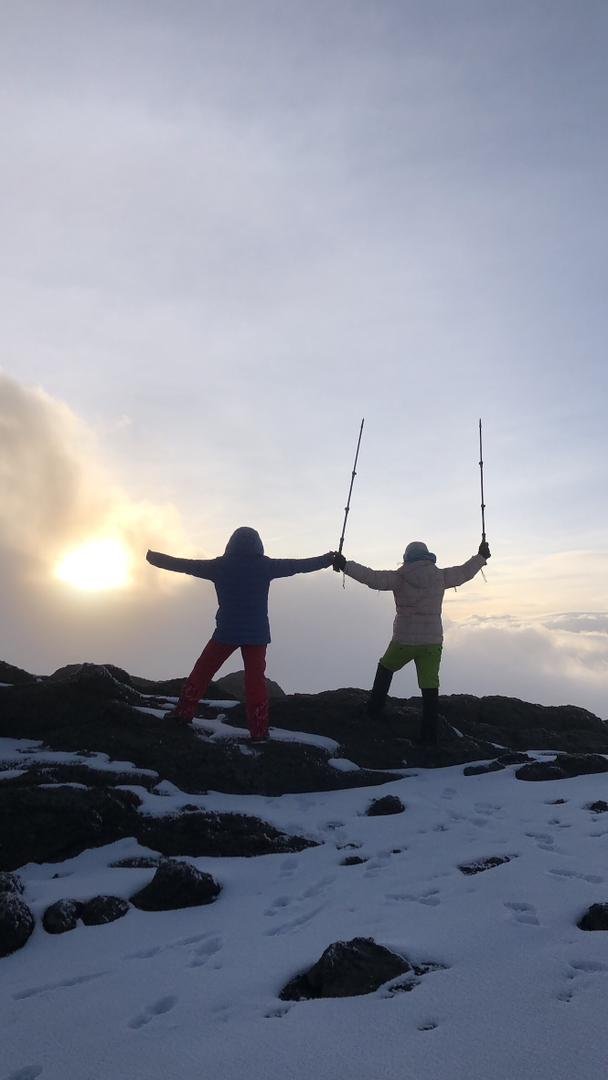
Marangu Route
Comfort-focused route with mountain hut accommodation.
How Difficult Is Kilimanjaro for Beginners?
Beginner Kilimanjaro Challenge Factors
Relative scores for storytelling — pair with your own context in surrounding paragraphs.
The biggest challenge on Mount Kilimanjaro is altitude rather than technical climbing. At nearly 5,895 meters above sea level, oxygen levels near Uhuru Peak are significantly lower than at sea level. This means even physically fit beginners can struggle if they ascend too quickly. Symptoms such as headaches, fatigue, and shortness of breath are common during high-altitude trekking. The good news is that altitude issues can often be minimized through proper acclimatization. This is why experienced operators prioritize longer itineraries and slow pacing across Kilimanjaro National Park. Beginners are often surprised that the climb is more mental than athletic. Summit night, which begins near midnight and climbs through freezing temperatures toward Stella Point and Gilman’s Point, becomes the emotional test of determination and patience.
Can Older Travelers Climb Kilimanjaro?
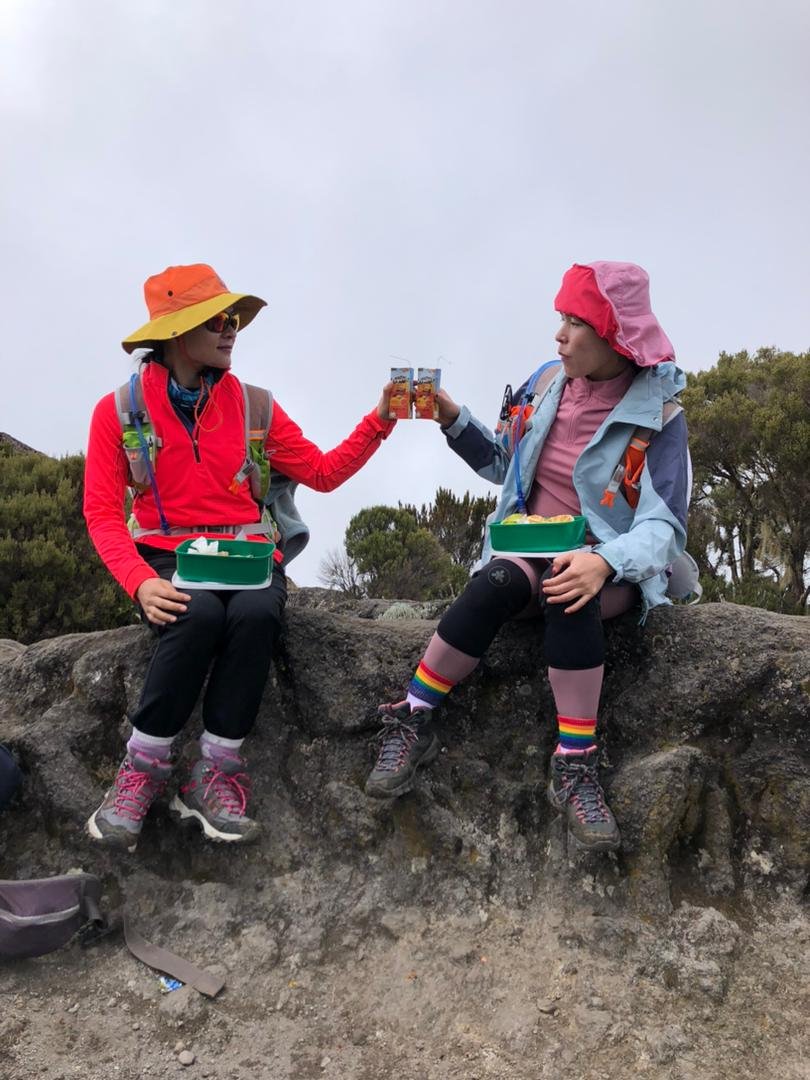
Absolutely. Many successful Kilimanjaro climbers are in their 50s, 60s, and even 70s. Age alone does not prevent summit success. In fact, older travelers often perform extremely well because they tend to pace themselves carefully, follow guide instructions, hydrate consistently, and avoid unnecessary rushing. Routes such as Lemosho, Rongai, and Northern Circuit are especially suitable for older travelers because they offer better acclimatization profiles and slower altitude progression. At Climb2Kili Adventures, we regularly support older climbers through personalized pacing strategies, experienced mountain crews, and safety-focused itineraries starting from Moshi or Arusha.
How Beginners Should Prepare for Kilimanjaro
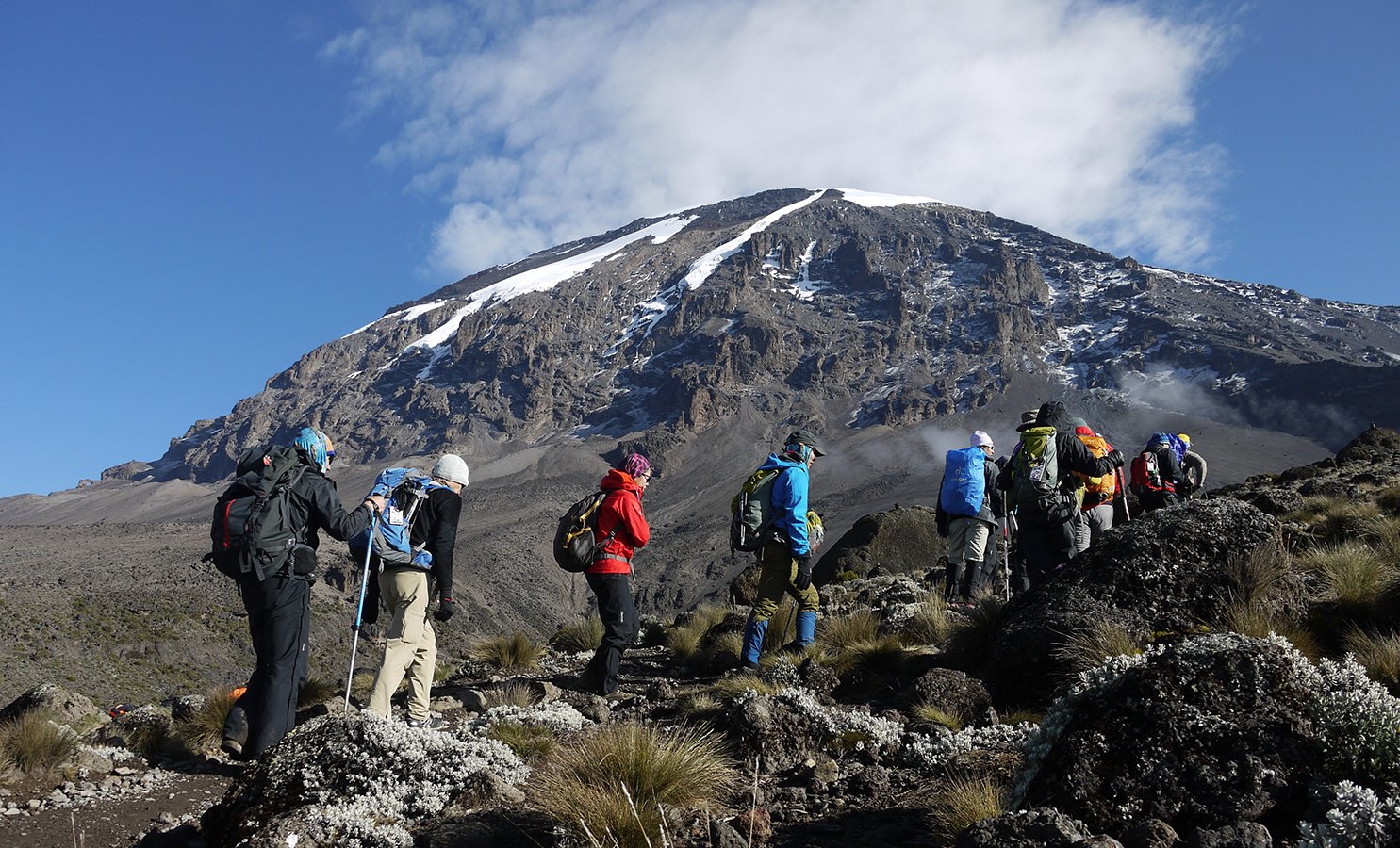
Build Endurance
Focus on walking, hiking, and steady cardio training several weeks before departure.
- 6-8 weeks preparation
- Consistency over intensity
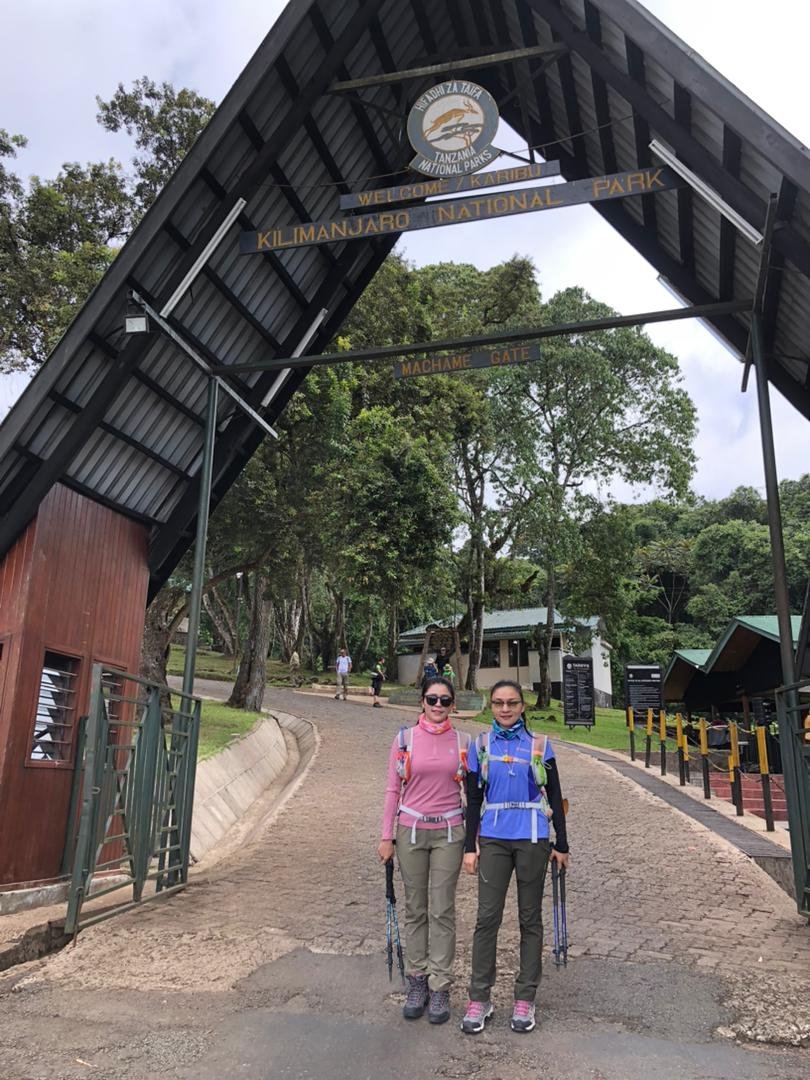
Practice Long Walks
Train your body for multiple days of movement with small backpacks and hills.
- Improve stamina
- Strengthen legs and knees
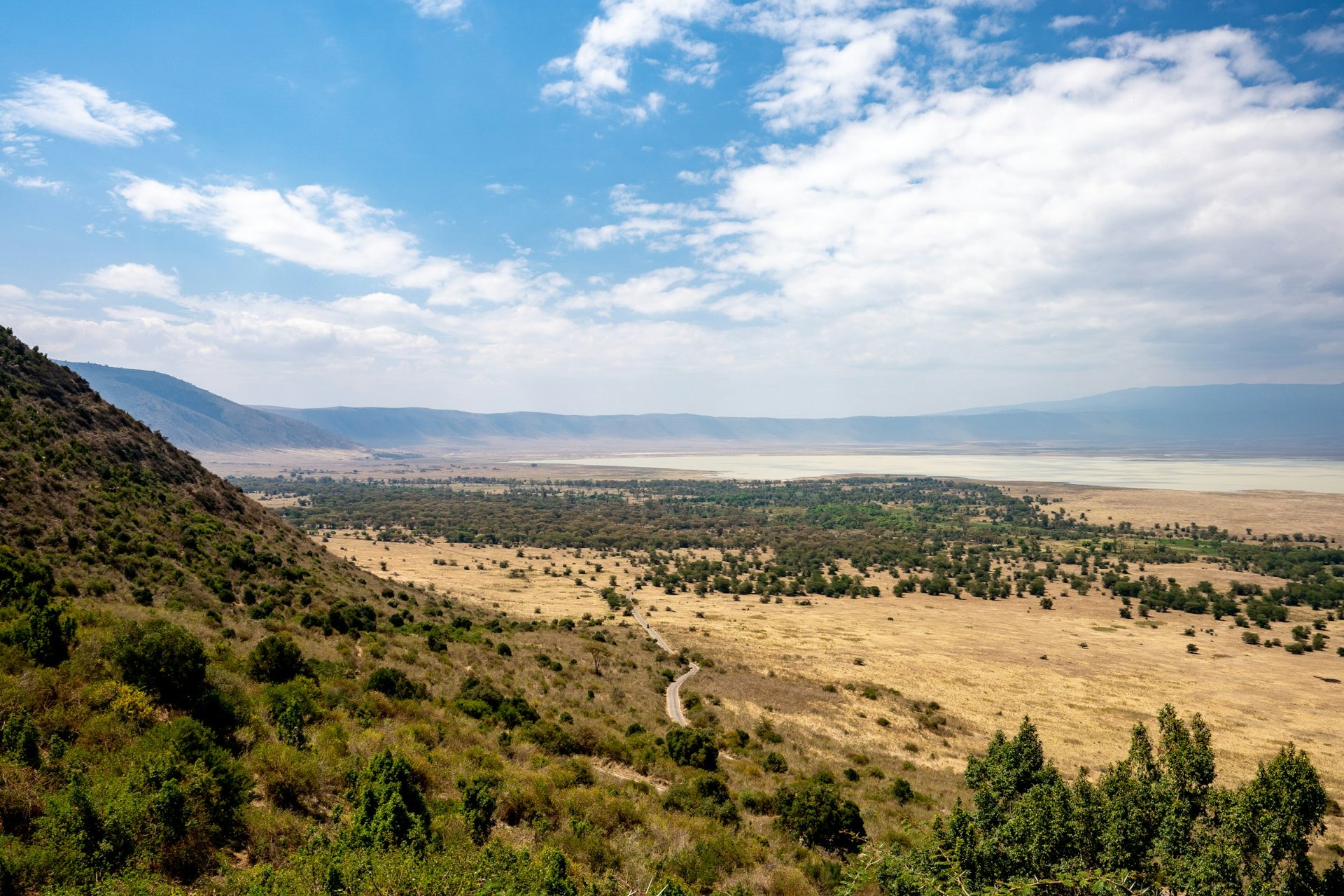
Choose the Right Route
Longer routes like Lemosho and Northern Circuit improve acclimatization.
- Higher summit success
- Reduced altitude stress
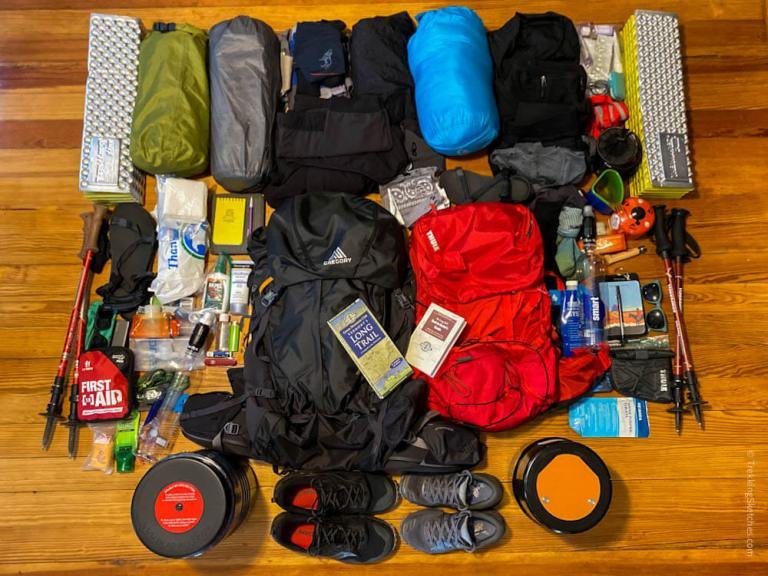
Invest in Quality Gear
Warm layers, waterproof boots, and trekking poles improve comfort dramatically.
- Cold-weather preparation
- Reliable hiking equipment
Clothing
Footwear
Summit Gear
Health & Comfort
What Summit Night Feels Like
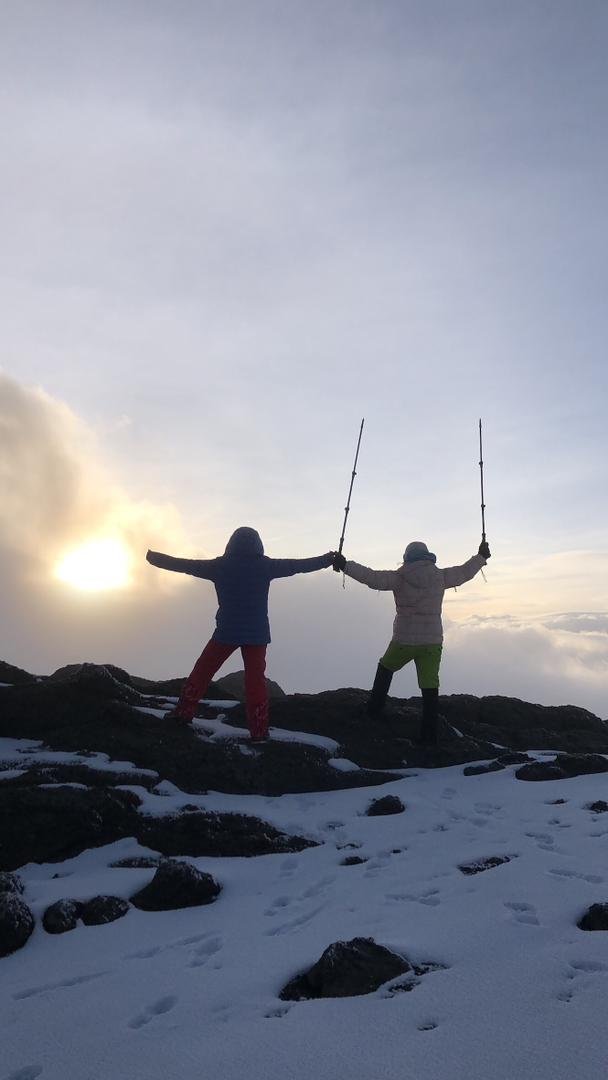
Summit night is the most demanding part of the Kilimanjaro climb. Most climbers wake up close to midnight and begin hiking slowly uphill in darkness toward Stella Point and Uhuru Peak. Temperatures can drop far below freezing, and altitude makes every step feel slower. Beginners often experience moments of doubt during this section of the climb. But summit night is also where determination becomes unforgettable achievement. Watching sunrise over Mawenzi Peak and the glaciers near the roof of Africa creates one of the most emotional travel experiences in the world. Many beginner climbers arrive uncertain and leave Tanzania with a completely new level of confidence.
Why Choosing the Right Operator Matters
Your Kilimanjaro experience depends heavily on the quality of your mountain operator. Professional Tanzanian teams provide experienced guides, ethical porter treatment, strong safety procedures, and realistic summit strategies. At Climb2Kili Adventures, our expeditions focus on safety-first climbing with personalized support for beginners, older travelers, and nervous hikers. We help climbers understand route selection, altitude preparation, packing, and summit pacing long before arriving in Tanzania. From the rainforest near Shira Peak to the final steps at Uhuru Peak, our goal is to make Kilimanjaro achievable, safe, and deeply rewarding for first-time climbers.
Yes. Many first-time hikers successfully reach Uhuru Peak each year using longer routes with proper acclimatization and professional guides.
Lemosho and Northern Circuit are widely considered the best beginner routes due to their gradual altitude gain and strong acclimatization profiles.
No previous hiking experience is required, although basic fitness preparation improves comfort and endurance.
You do not need elite fitness. Consistent walking, hiking, cardio training, and endurance preparation are usually enough for most beginners.
Yes. Many climbers in their 50s, 60s, and 70s successfully summit Kilimanjaro each year.
Most climbers find altitude and summit night more challenging than the hiking itself.
Start Your Kilimanjaro Journey with Confidence
Climb2Kili Adventures specializes in safe, premium Kilimanjaro expeditions for beginners, older travelers, and first-time climbers.
Plan Your ClimbReferences
Travel and mountain information references for Kilimanjaro planning.
- Kilimanjaro National Park — TANAPA
- Tanzania](https://www.tanzaniaparks.go.tz/national_parks/kilimanjaro-national-park%22,%22source%22:%22TANAPA%22},{%22label%22:%22Tanzania) Tourism — Tanzania](https://www.tanzaniatourism.go.tz%22,%22source%22:%22Tanzania) Tourist Board
- Mount Kilimanjaro Overview — UNESCO](https://whc.unesco.org/en/list/403%22,%22source%22:%22UNESCO) World Heritage Centre
Plan from this guide
Turn the research into a Tanzania trip
Compare related tours, browse destination guides, or ask our local team to shape the right route and pace.