
Kilimanjaro Altitude Sickness Guide: Symptoms, Prevention & Cure
Complete guide to Kilimanjaro altitude sickness including symptoms, prevention, treatment, acclimatization tips, and safety strategies for summit success.
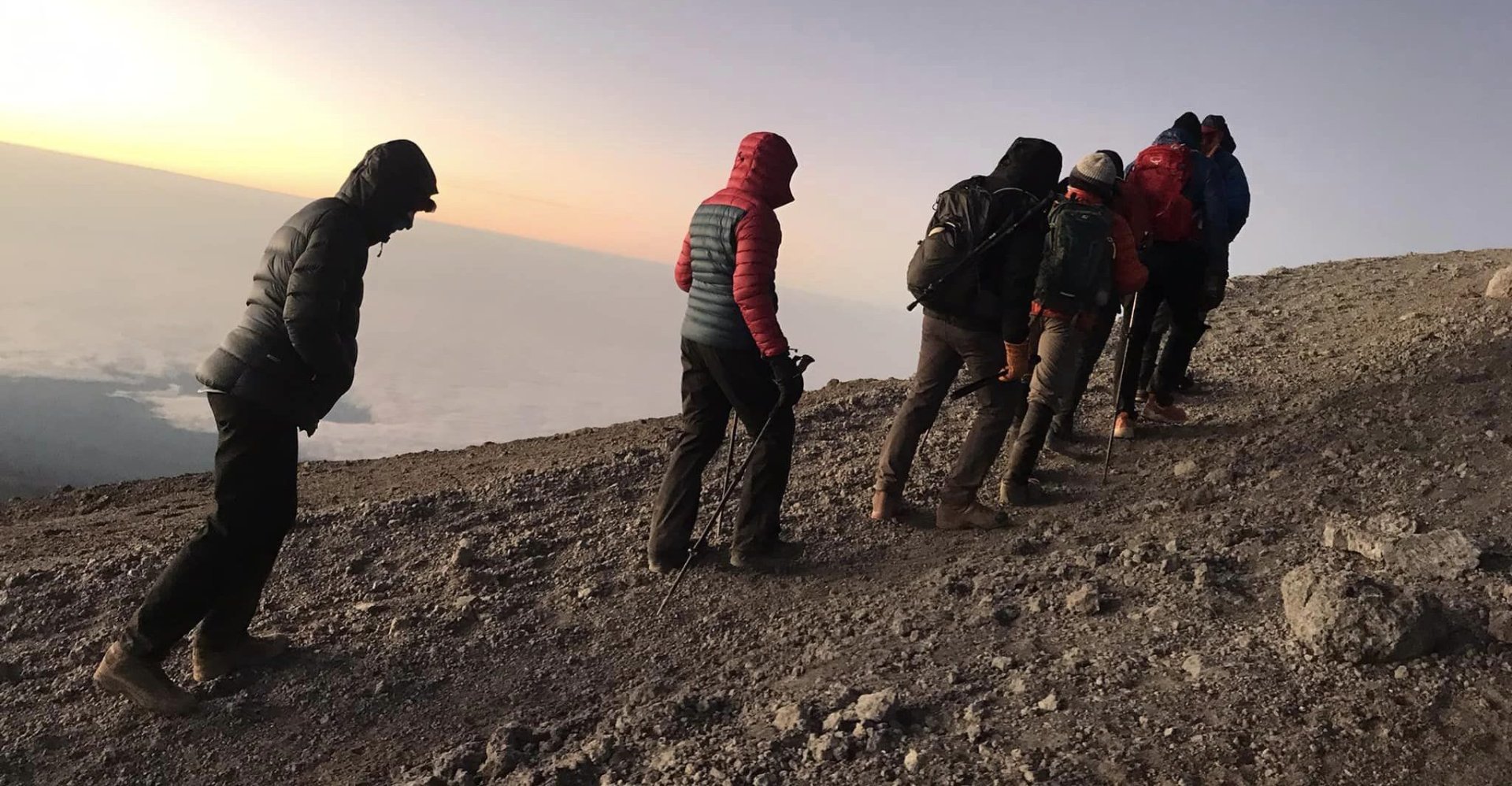
Kilimanjaro Altitude Sickness: Complete Guide for Climbers
Altitude sickness is the most important challenge every climber faces on Mount Kilimanjaro. Unlike technical mountains, Kilimanjaro does not require climbing skills, but the altitude above 5,000 meters significantly affects the human body. As you ascend through routes like Machame, Lemosho, Marangu, Rongai, and Northern Circuit, oxygen levels drop and your body must adapt slowly. Understanding altitude sickness is the difference between reaching Uhuru Peak and turning back early.
What Causes Altitude Sickness on Kilimanjaro?
Altitude sickness (Acute Mountain Sickness) happens when your body cannot adapt quickly enough to reduced oxygen pressure. On Kilimanjaro, this becomes noticeable after leaving the rainforest zone and entering higher elevations like Shira Plateau and Lava Tower. The faster you ascend, the higher the risk. That is why route choice is critical.
Oxygen Reduction
Air becomes thinner as altitude increases.
- Less oxygen intake
- Harder breathing
Fast Ascent Risk
Climbing too fast increases AMS risk.
- No adaptation time
- Higher sickness risk
Body Adaptation
Your body needs time to adjust.
- Red blood cell increase
- Better oxygen use
Route Matters
Long routes improve acclimatization.
- Higher success rate
- Lower AMS risk
Symptoms of Altitude Sickness
Symptoms of altitude sickness vary from mild to severe. Most climbers experience mild symptoms such as headache, fatigue, and nausea. These can usually be managed without stopping the climb. However, severe symptoms require immediate descent and medical attention.
| Level | Symptoms | Action |
|---|---|---|
| Mild | Headache, fatigue, nausea | Rest and hydrate |
| Moderate | Vomiting, dizziness | Stop ascent |
| Severe | Confusion, breathing issues | Descend immediately |
Do You Need Oxygen on Kilimanjaro?
Most climbers do NOT need supplemental oxygen to reach Uhuru Peak. The body adapts naturally when given enough time through proper acclimatization. Oxygen is only used in emergency situations by guides.
Best Routes to Prevent Altitude Sickness
Search table
Find the detail faster
| Route | Days | AMS Risk | Success Rate |
|---|---|---|---|
| Northern Circuit | 8–9 | Very Low | 95%+ |
| Lemosho | 7–8 | Low | 90%+ |
| Machame | 6–7 | Medium | 85%+ |
| Marangu | 5–6 | High | 70–80% |
| Umbwe | 5–6 | Very High | Low |
How to Prevent Altitude Sickness
Prevention is more important than treatment. The key is to climb slowly, drink enough water, and choose longer routes that allow your body to adjust gradually. Routes like Lemosho and Northern Circuit are highly recommended for beginners.
Climb Slowly
Take your time at every stage.
- Pole pole approach
- Better adaptation
Stay Hydrated
Water helps reduce AMS symptoms.
- 3–4 liters daily
- Better circulation
Choose Long Routes
More days = better acclimatization.
- Higher success rate
- Less risk
Listen to Guides
Professional monitoring is key.
- Daily checks
- Safety first
It can be if ignored, but with proper acclimatization and guides, it is manageable and safe.
Yes. Most successful climbers are beginners who follow proper pacing and choose longer routes.
Northern Circuit and Lemosho are the best routes due to slow ascent profiles.
Climb Kilimanjaro Safely with Expert Guides
Climb2Kili ensures safe acclimatization-focused Kilimanjaro expeditions for maximum summit success.
Plan Your ClimbPlan from this guide
Turn the research into a Tanzania trip
Compare related tours, browse destination guides, or ask our local team to shape the right route and pace.