
Mount Kilimanjaro vs Mount Meru
Compare Mount Kilimanjaro and Mount Meru in Tanzania including difficulty, cost, scenery, wildlife, altitude, routes, and trekking experience.
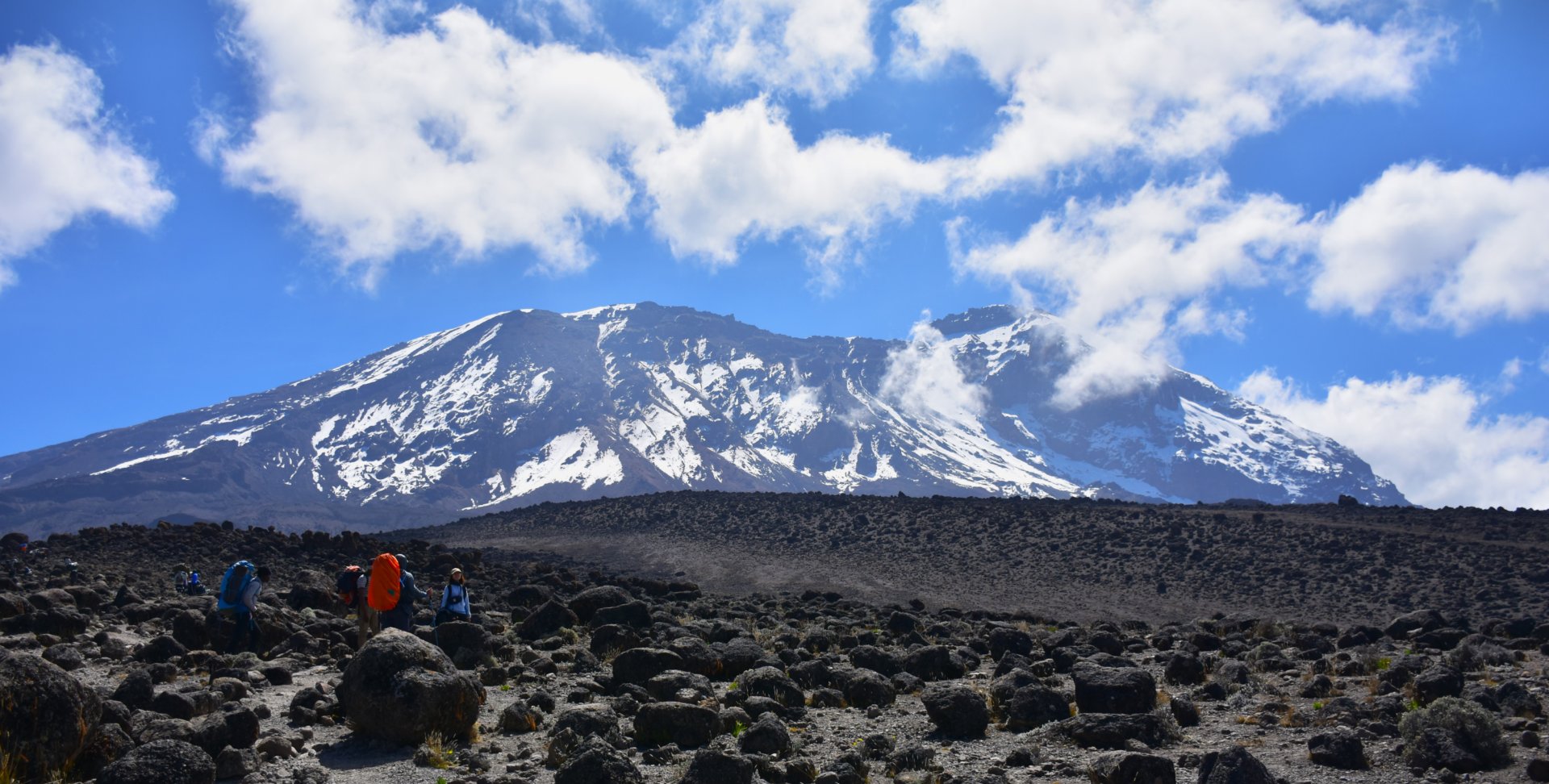
Kilimanjaro vs Mount Meru: Which Mountain Should You Climb?
Tanzania is home to two of Africa’s most iconic trekking mountains: Mount Kilimanjaro and Mount Meru. Both peaks offer unforgettable adventures, dramatic landscapes, and rewarding summit experiences, yet they are very different climbs. Travelers planning a trekking holiday in Tanzania often ask the same question — should I climb Kilimanjaro or Mount Meru? At Climb2Kili Adventures, we guide trekkers on both mountains throughout the year. While Mount Kilimanjaro is world-famous as the highest mountain in Africa and one of the Seven Summits, Mount Meru remains one of Tanzania’s most underrated trekking experiences. Located inside Arusha National Park, Mount Meru offers a quieter wilderness atmosphere, close wildlife encounters, and exceptional acclimatization opportunities for climbers preparing for Kilimanjaro. The best mountain for you depends on your goals, budget, fitness level, available time, and trekking experience. Some travelers want the prestige of standing on Uhuru Peak at 5,895 meters, while others prefer a shorter and more scenic volcanic trek with fewer crowds. In this guide, we compare Kilimanjaro and Mount Meru in detail — including difficulty, altitude, routes, scenery, wildlife, costs, success rates, and the overall trekking experience.
Mount Kilimanjaro
Africa’s highest mountain and Tanzania’s most iconic trekking destination.
- 5,895m summit
- Multiple trekking routes
- World-famous adventure
Mount Meru
A scenic volcanic trek through Arusha National Park with wildlife and fewer crowds.
- 4,566m summit
- Excellent acclimatization climb
- Rich wildlife encounters
Best for Beginners
Mount Meru can be easier for trekkers with limited high-altitude experience.
- Shorter trek
- Less crowded trails
- Strong summit views
Best Overall Challenge
Kilimanjaro offers the ultimate altitude challenge without technical climbing.
- Seven Summits prestige
- Higher altitude
- Legendary summit sunrise
Location and First Impressions
Mount Kilimanjaro is located near Moshi in northern Tanzania within Kilimanjaro National Park. The mountain rises dramatically above the plains and dominates the skyline with its snow-capped summit and enormous volcanic mass. Kilimanjaro consists of three volcanic cones — Kibo, Mawenzi Peak, and Shira Peak — and attracts climbers from around the world seeking to reach Uhuru Peak. Mount Meru lies approximately 70 kilometers west of Kilimanjaro inside Arusha National Park near the city of Arusha. Although often overshadowed by Kilimanjaro, Mount Meru is Tanzania’s second-highest mountain and one of the most beautiful volcanoes in East Africa. The mountain features dramatic crater walls, ash cones, dense forests, and breathtaking ridge walks. The first impression of Kilimanjaro is scale and ambition. The first impression of Mount Meru is wilderness and beauty. Kilimanjaro feels like a global expedition destination, while Meru feels like an adventurous hidden gem.
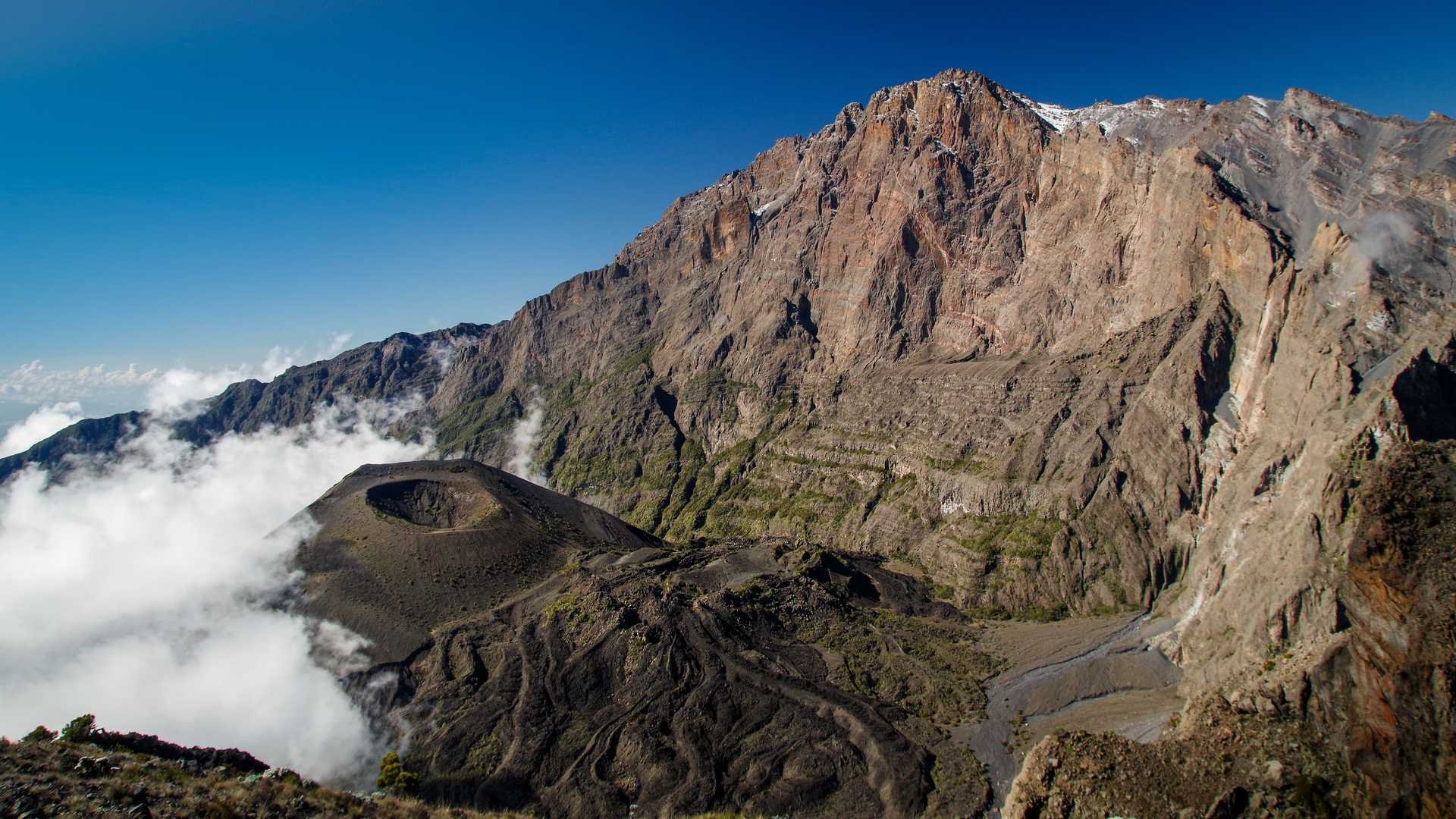
Altitude and Difficulty Comparison
Kilimanjaro is significantly higher than Mount Meru, which makes altitude the biggest challenge for most climbers. Although Kilimanjaro is technically a non-technical mountain, altitude sickness remains the primary reason some trekkers fail to reach the summit. Routes such as Lemosho, Northern Circuit, and Machame improve acclimatization because they provide more gradual ascent profiles. Mount Meru is also a high-altitude climb, but the lower elevation makes it more manageable for many hikers. The trek is physically demanding with steep sections and long hiking days, especially during summit night, but the risk of severe altitude sickness is lower compared to Kilimanjaro. For travelers with limited trekking experience, Mount Meru can serve as an excellent introduction to high-altitude hiking in Tanzania. For experienced hikers seeking a bigger challenge and the achievement of reaching Africa’s highest point, Kilimanjaro remains unmatched.
Overall Trekking Difficulty
Relative scores for storytelling — pair with your own context in surrounding paragraphs.
Routes and Trekking Experience
One of the biggest advantages of Kilimanjaro is route diversity. Trekkers can choose from several established routes depending on scenery, acclimatization, comfort level, and trip duration. Popular routes include Machame Route, Lemosho Route, Marangu Route, Rongai Route, Northern Circuit, Umbwe Route, and Shira Route. The Lemosho and Northern Circuit routes are especially popular among experienced trekkers because they offer beautiful scenery, strong acclimatization profiles, and higher summit success rates. The Machame Route is known for dramatic landscapes and varied terrain, while the Marangu Route offers hut accommodation instead of camping. Mount Meru has one main trekking route — the Momella Route. Although there is less route variation compared to Kilimanjaro, the trail itself is incredibly scenic. Trekkers pass through open grasslands, montane forests, giant heather zones, and rocky alpine terrain. Armed park rangers accompany hikers because wildlife such as giraffes, buffalo, zebras, antelope, and elephants are commonly seen near the lower slopes. The summit approach on Mount Meru is one of the most beautiful ridge walks in Africa. Climbers reach Socialist Peak at sunrise while enjoying spectacular views of Kilimanjaro floating above the clouds in the distance.
| Mountain | Main Routes | Best Features |
|---|---|---|
| Kilimanjaro | Machame, Lemosho, Marangu, Rongai, Northern Circuit | Route variety, high summit, dramatic ecosystems |
| Mount Meru | Momella Route | Wildlife, crater views, quiet trails |
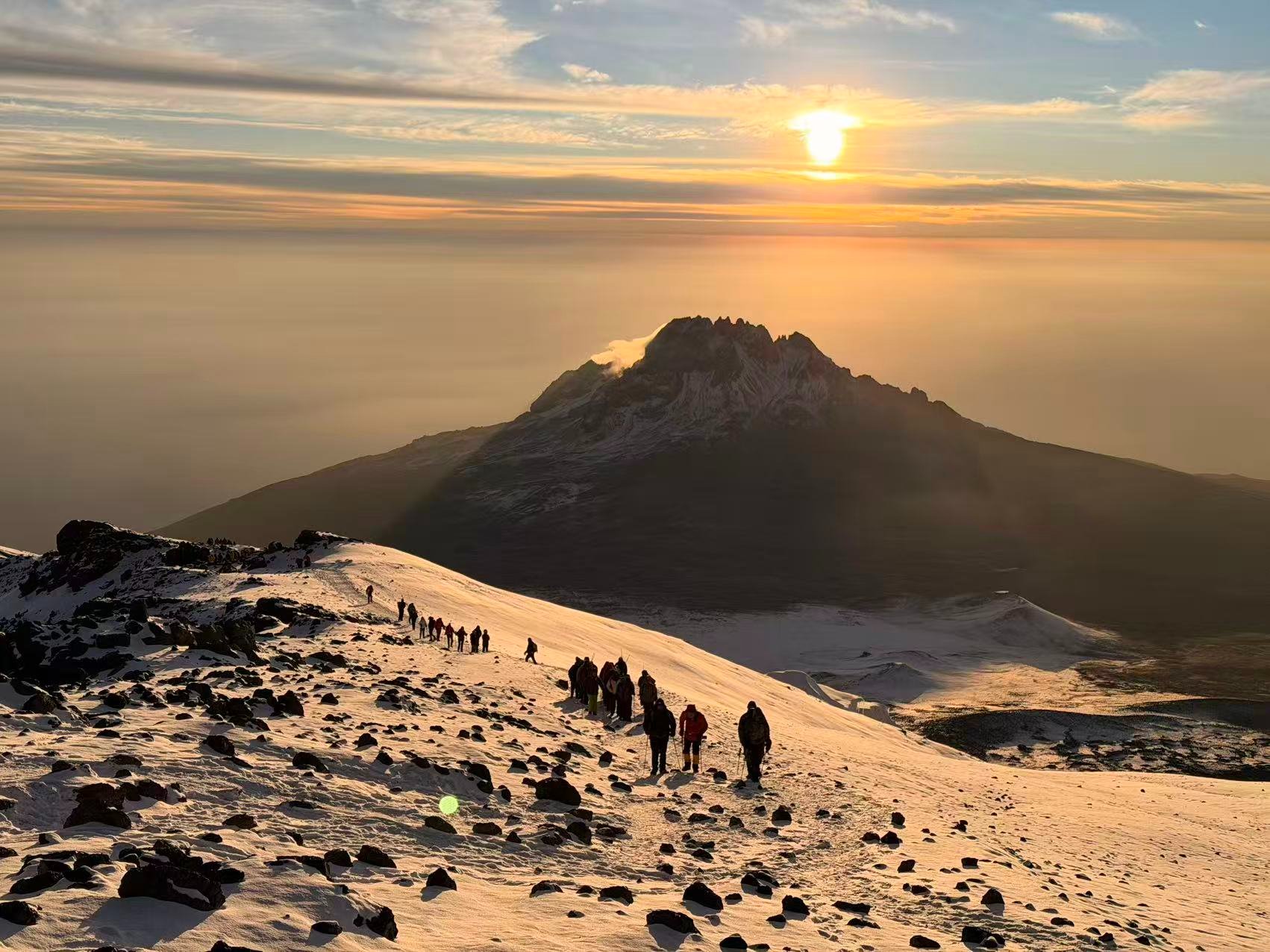
Scenery and Wildlife
Both mountains offer extraordinary scenery, but the experience is very different. Kilimanjaro is famous for its dramatic ecological zones. Climbers begin in lush rainforest before ascending through moorland, alpine desert, and finally Arctic summit conditions near Uhuru Peak. The transition between ecosystems is one of the most remarkable aspects of the climb. Mount Meru offers more consistent greenery and volcanic scenery. The mountain features lush forests, giant fig trees, waterfalls, crater walls, and panoramic ridges. Wildlife is one of Meru’s greatest highlights. Unlike Kilimanjaro, where wildlife encounters are limited mostly to monkeys and birds in the forest zone, Mount Meru feels like a true safari trekking experience. Trekkers on Meru frequently see giraffes, buffalo, warthogs, zebras, colobus monkeys, and numerous bird species during the approach through Arusha National Park. For photographers and nature lovers, Mount Meru can feel more immersive and intimate than Kilimanjaro.
Kilimanjaro Ecosystems
Experience rainforest, moorland, alpine desert, and Arctic summit terrain.
- Five climate zones
- Snow-capped summit
- Changing landscapes daily
Meru Wildlife
Walk through wildlife-rich terrain inside Arusha National Park.
- Buffalo and giraffes
- Rich birdlife
- Safari atmosphere
Volcanic Landscapes
Both mountains showcase dramatic volcanic geology and crater scenery.
- Ancient volcanoes
- Crater formations
- Rugged ridgelines
Photography
Sunrise summit views and dramatic panoramas attract photographers worldwide.
- Kilimanjaro sunrise
- Meru crater rim
- Panoramic East Africa views
Acclimatization and Summit Success
Altitude acclimatization is one of the most important factors in any high-altitude trek. Many climbers choose to hike Mount Meru before Kilimanjaro because the climb naturally helps the body adjust to thinner air. Climbing Meru first can significantly improve summit success rates on Kilimanjaro, especially for travelers planning shorter Kilimanjaro routes. At Climb2Kili Adventures, some trekkers combine a 4-day Mount Meru trek with a 7-day Machame or Lemosho Route expedition for optimal acclimatization. On Kilimanjaro, route selection strongly affects summit success. Longer routes such as Lemosho and Northern Circuit generally provide better acclimatization and higher success rates than shorter itineraries. Proper pacing, hydration, nutrition, and experienced guides also make a major difference. Mount Meru has a strong summit success rate because of its lower altitude and shorter duration. However, summit night is still physically demanding and includes steep climbs along exposed ridges.
Cost Comparison
Mount Meru is generally less expensive than Kilimanjaro because the trek is shorter and requires fewer park fees, camping days, guides, and support staff. For travelers on a tighter budget, Meru can provide a rewarding high-altitude trekking experience at a lower overall cost. Kilimanjaro is more expensive due to higher national park fees, longer itineraries, larger support crews, and additional logistics. However, many travelers view the climb as a once-in-a-lifetime achievement worth the investment. Private climbs on both mountains offer greater flexibility, personalized pacing, and enhanced comfort. Climbers seeking the best experience often prefer private Kilimanjaro expeditions because guides can tailor acclimatization and summit strategies more effectively.
Which Mountain Is Better for You?
Choose Mount Kilimanjaro if your dream is to stand on Africa’s highest point, experience one of the world’s most famous treks, and challenge yourself at extreme altitude. Kilimanjaro is ideal for ambitious travelers, experienced hikers, and adventurers seeking a major personal achievement. Choose Mount Meru if you prefer quieter trails, dramatic volcanic scenery, rich wildlife encounters, and a shorter trekking itinerary. Meru is also excellent for travelers preparing for Kilimanjaro or combining trekking with a Tanzania safari. Many experienced trekkers consider the best option to be climbing both mountains together. Mount Meru provides beautiful acclimatization and wilderness trekking, while Kilimanjaro delivers the legendary summit experience at Uhuru Peak.
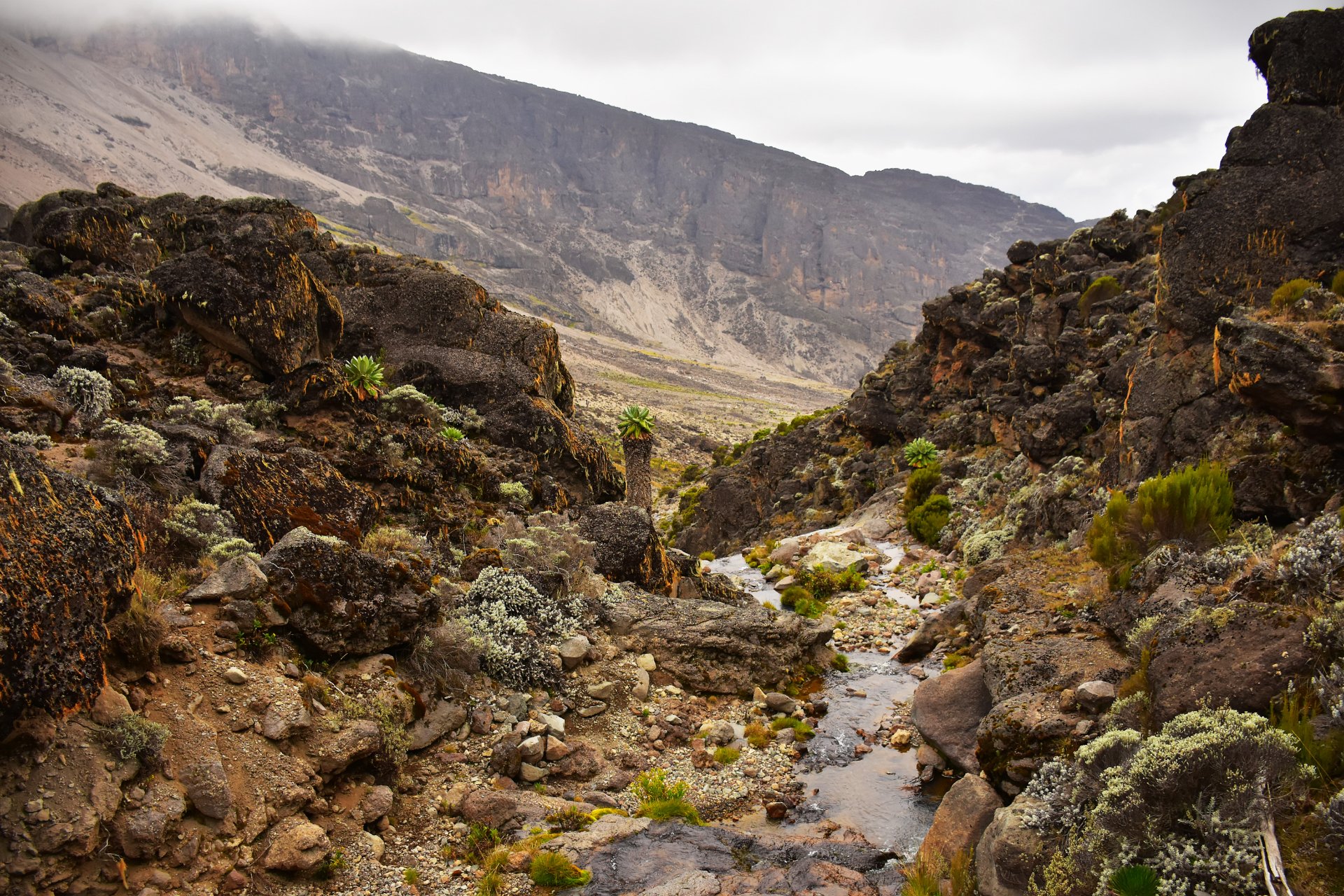
Best Time to Climb Kilimanjaro and Mount Meru
Both mountains can be climbed year-round, but the best trekking conditions are usually during Tanzania’s dry seasons. January to March offers cooler temperatures and occasional snow on Kilimanjaro’s summit, while June to October brings stable weather and clear mountain views. Mount Meru is particularly beautiful during the green season when forests are lush and wildlife activity increases. However, trails can become muddy during heavy rains in April and May. The best season depends on your priorities. Photographers often prefer January through March for dramatic skies and fewer crowds, while many international travelers visit between July and October.
Best Climbing Seasons
Relative scores for storytelling — pair with your own context in surrounding paragraphs.
Frequently Asked Questions
No. Mount Kilimanjaro is generally harder because of its significantly higher altitude and longer trekking duration. Mount Meru is still physically demanding but usually easier for most hikers.
Yes. Many climbers hike Mount Meru before Kilimanjaro to improve acclimatization and increase summit success rates.
Mount Meru offers far better wildlife experiences because the trek passes through Arusha National Park where animals are commonly seen.
No. Neither Mount Kilimanjaro nor Mount Meru requires technical mountaineering skills, but good fitness and preparation are important.
The Machame and Lemosho routes are excellent choices after Mount Meru because they provide strong acclimatization and scenic trekking experiences.
Absolutely. Many travelers combine Kilimanjaro or Mount Meru with safaris in Serengeti, Ngorongoro Crater, Tarangire, and beach holidays in Zanzibar.
Plan Your Tanzania Trekking Adventure
Our local mountain experts can help you choose the perfect Kilimanjaro or Mount Meru itinerary for your goals and experience level.
Contact Climb2KiliPlan from this guide
Turn the research into a Tanzania trip
Compare related tours, browse destination guides, or ask our local team to shape the right route and pace.