
Mount Kilimanjaro vs Mount Kenya
Compare Mount Kilimanjaro and Mount Kenya including altitude, trekking difficulty, routes, scenery, wildlife, costs, and summit experience.
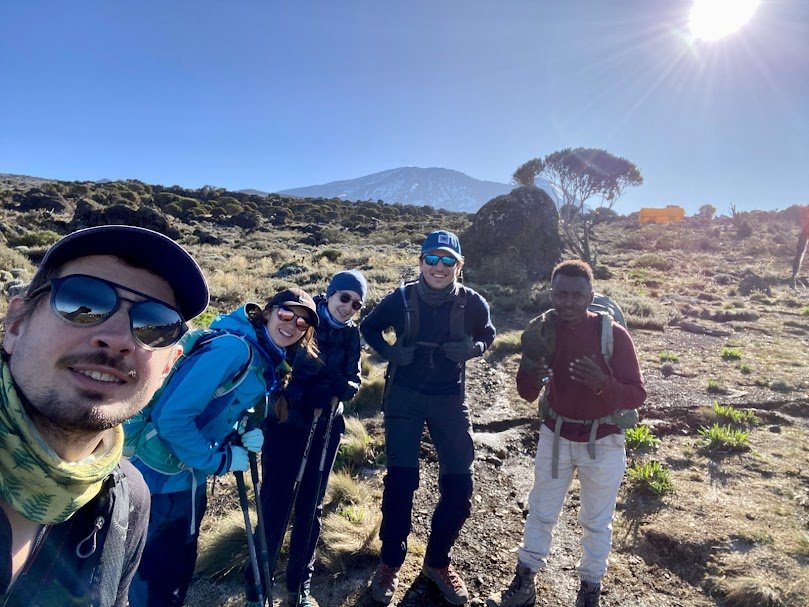
Mount Kilimanjaro vs Mount Kenya
Mount Kilimanjaro and Mount Kenya are the two most famous trekking mountains in East Africa. Both offer breathtaking alpine scenery, unforgettable summit experiences, and world-class trekking adventures, but they are very different mountains in terms of altitude, terrain, technical difficulty, trekking style, and overall experience. Mount Kilimanjaro, located in Tanzania, is Africa’s highest mountain at 5,895 meters and one of the Seven Summits. It attracts thousands of trekkers every year who dream of standing on Uhuru Peak above the clouds. Mount Kenya, located in central Kenya, is Africa’s second-highest mountain at 5,199 meters and is famous for its rugged volcanic peaks, dramatic valleys, and technical climbing routes. At Climb2Kili Adventures, many travelers ask whether Kilimanjaro or Mount Kenya is the better trekking experience. The answer depends on your goals, experience level, fitness, and travel style. Some climbers want the iconic achievement of summiting Kilimanjaro, while others prefer the quieter and more technical adventure offered by Mount Kenya. This guide compares Mount Kilimanjaro and Mount Kenya in detail, including altitude, trekking routes, summit difficulty, wildlife, scenery, weather, costs, and which mountain is best for different types of travelers.
Mount Kilimanjaro
Africa’s tallest mountain and the most iconic trekking destination in Tanzania.
- 5,895m elevation
- Non-technical summit
- Seven Summits challenge
Mount Kenya
A dramatic volcanic mountain with technical climbing peaks and alpine scenery.
- 5,199m elevation
- Technical summit routes
- Less crowded trails
Best for Beginners
Kilimanjaro is accessible to first-time high-altitude trekkers.
- Guided trekking routes
- Well-established camps
- No climbing equipment needed
Best for Technical Climbers
Mount Kenya offers true alpine climbing experiences.
- Rock climbing sections
- Ice and alpine terrain
- Advanced summit routes
Altitude and Summit Experience
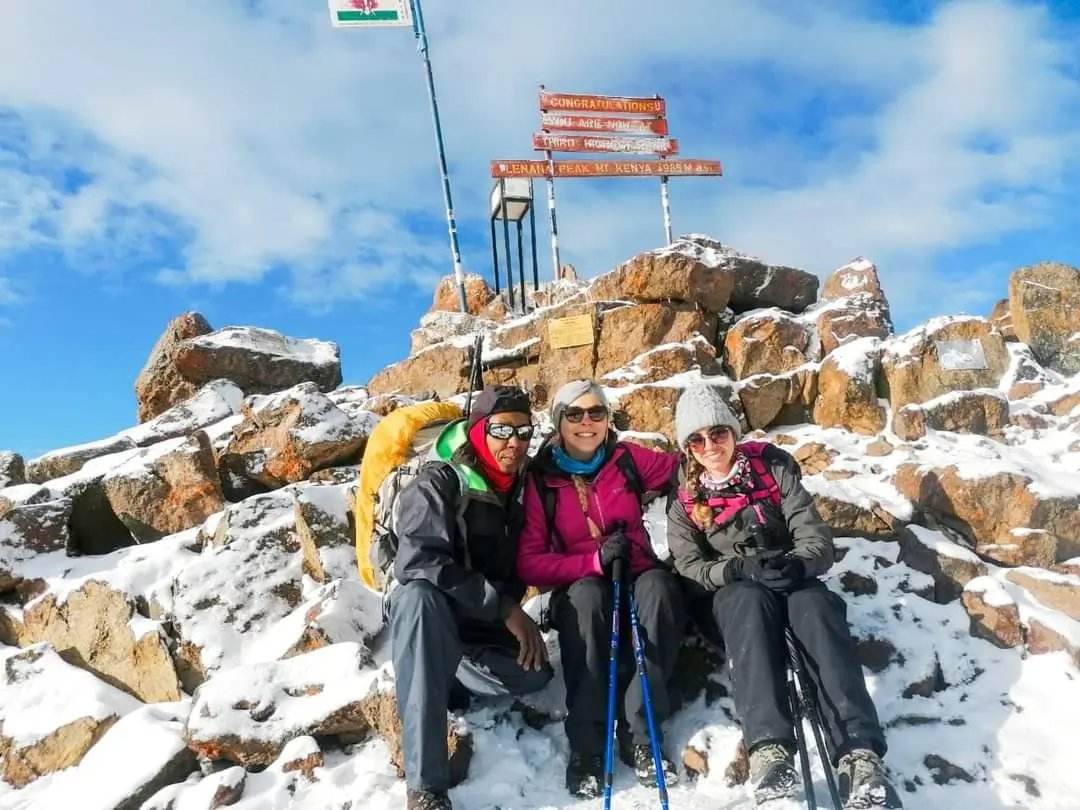
The biggest difference between Mount Kilimanjaro and Mount Kenya is altitude and summit style. Mount Kilimanjaro reaches 5,895 meters above sea level at Uhuru Peak, making it the highest mountain in Africa. Despite its extreme altitude, Kilimanjaro does not require technical mountaineering skills. Trekkers walk to the summit using established hiking routes such as Machame, Lemosho, Marangu, Rongai, Northern Circuit, Umbwe, and Shira. Mount Kenya reaches 5,199 meters, but its true summit peaks — Batian and Nelion — require technical rock climbing skills. Most trekkers climb Point Lenana at 4,985 meters, which is accessible without ropes or technical climbing equipment. Point Lenana offers spectacular sunrise views and is considered one of East Africa’s finest trekking summits. For most travelers, Kilimanjaro feels like a major endurance challenge because of the high altitude and long summit night. Mount Kenya feels more rugged and alpine, with steeper terrain and dramatic mountain scenery.
Routes and Trekking Style
Kilimanjaro offers more route variety than Mount Kenya. Travelers can choose between scenic wilderness routes, shorter climbs, hut accommodation, or longer acclimatization-focused expeditions. The Machame Route is famous for dramatic scenery and varied terrain. Lemosho Route is known for beautiful landscapes and excellent acclimatization. Marangu Route offers hut accommodation instead of camping, while Northern Circuit provides the longest and quietest trekking experience on Kilimanjaro. Mount Kenya has fewer trekking routes, but each route feels wild and remote. Popular approaches include the Sirimon Route, Chogoria Route, and Naro Moru Route. Many trekkers combine ascent and descent routes to experience different landscapes. The Chogoria Route is often considered the most scenic route on Mount Kenya because of its waterfalls, lakes, and dramatic valleys. The Sirimon Route is popular for acclimatization and gentler ascent profiles. Kilimanjaro trekking feels organized and expedition-style, supported by large mountain crews and established camps. Mount Kenya feels more adventurous and less commercialized.
| Mountain | Popular Routes | Highlights |
|---|---|---|
| Mount Kilimanjaro | Machame, Lemosho, Marangu, Rongai, Northern Circuit | Route diversity, high summit, varied ecosystems |
| Mount Kenya | Sirimon, Chogoria, Naro Moru | Alpine scenery, rugged valleys, quieter trekking |
Scenery and Landscapes
Both mountains are incredibly beautiful, but the scenery is very different. Kilimanjaro is famous for its changing ecological zones. Trekkers pass through rainforest, moorland, alpine desert, and Arctic summit landscapes within a single expedition. The mountain’s enormous scale creates dramatic panoramic views, especially near Stella Point and Uhuru Peak. Mount Kenya is often considered more visually dramatic by experienced trekkers because of its jagged volcanic peaks, glacier valleys, alpine lakes, and steep cliffs. The mountain feels greener and more rugged than Kilimanjaro. Photographers and mountain lovers often describe Mount Kenya as the more beautiful mountain overall, while Kilimanjaro delivers the more iconic summit achievement.
Kilimanjaro Views
Wide volcanic landscapes and iconic summit panoramas.
- Glacier summit views
- Mawenzi Peak scenery
- Sunrise above clouds
Mount Kenya Valleys
Dramatic alpine valleys and rugged volcanic cliffs.
- Alpine lakes
- Jagged rock formations
- Glacier-carved landscapes
Wildlife Experience
Both mountains feature wildlife in forest zones.
- Colobus monkeys
- Mountain birds
- Forest wildlife
Photography
Excellent opportunities for trekking and nature photography.
- Summit sunrises
- Mountain silhouettes
- Scenic ridge trails
Difficulty and Fitness
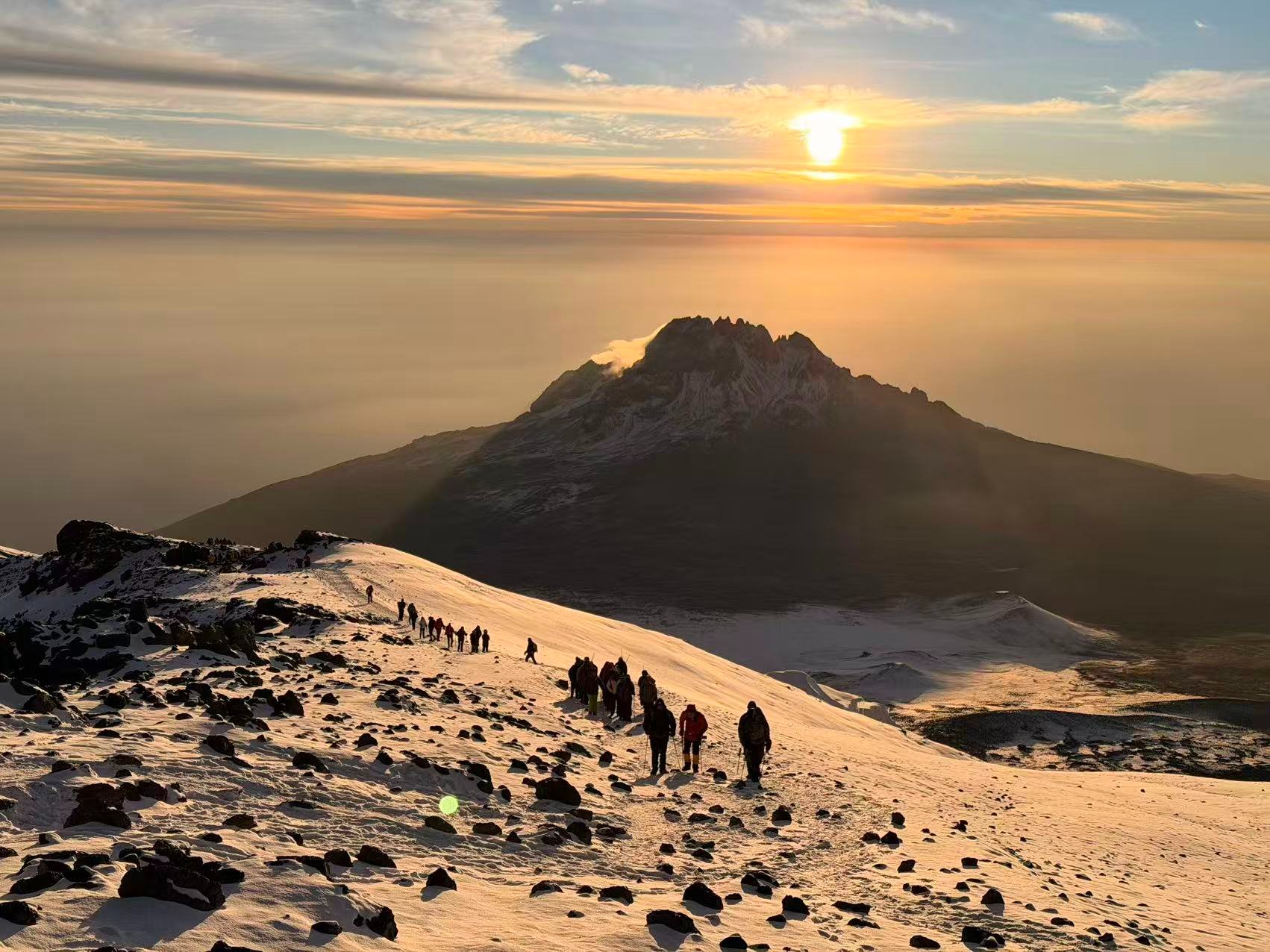
Mount Kilimanjaro is physically demanding because of the altitude. Even strong hikers can struggle with acclimatization above 5,000 meters. Summit night usually involves 6 to 8 hours of steep hiking in cold conditions before reaching Uhuru Peak. Mount Kenya is lower in altitude, but the terrain can feel steeper and more rugged. The trek to Point Lenana is physically challenging, especially during the early morning summit push. Technical climbers attempting Batian or Nelion require mountaineering skills and climbing experience. For most trekkers, Kilimanjaro is harder overall because of its altitude. For experienced mountaineers, Mount Kenya’s technical routes provide a more advanced climbing challenge.
Mountain Challenge Comparison
Relative scores for storytelling — pair with your own context in surrounding paragraphs.
Wildlife and National Parks
Both mountains are protected national parks and offer unique wildlife experiences. Kilimanjaro National Park is famous for rainforest wildlife including blue monkeys, colobus monkeys, and birdlife. However, wildlife encounters become limited at higher elevations. Mount Kenya National Park also supports forest wildlife including buffalo, monkeys, antelope, and numerous bird species. Because Mount Kenya receives fewer visitors, the wilderness atmosphere often feels more untouched and peaceful. Travelers visiting Tanzania often combine Kilimanjaro climbs with safaris in Serengeti National Park, Ngorongoro Crater, Tarangire, Lake Manyara, and Zanzibar beach holidays. Kenya travelers commonly combine Mount Kenya trekking with Maasai Mara safaris.
Costs and Travel Logistics
Mount Kilimanjaro is generally more expensive than Mount Kenya because of higher park fees, longer itineraries, larger support teams, and international demand. Kilimanjaro climbs usually include mountain crews consisting of guides, cooks, and porters. The mountain has well-developed trekking infrastructure and strong tourism services around Moshi. Mount Kenya treks are often slightly cheaper and less crowded, though technical climbing expeditions can increase costs because of specialized equipment and guides. Travel logistics are easier for many international travelers visiting Tanzania because Kilimanjaro International Airport provides direct access to Moshi and northern Tanzania’s safari circuit.
Which Mountain Should You Choose?
Choose Mount Kilimanjaro if your goal is to reach Africa’s highest summit, complete a non-technical high-altitude challenge, and experience one of the world’s most iconic trekking adventures. Choose Mount Kenya if you prefer quieter trails, dramatic alpine scenery, and technical mountaineering opportunities. Mount Kenya is especially appealing for experienced hikers and climbers looking for a less commercial trekking experience. For many adventure travelers, Kilimanjaro remains the ultimate East African trekking goal because of its legendary status, scenic route variety, and unforgettable summit experience at Uhuru Peak.
Frequently Asked Questions
Kilimanjaro is generally harder for trekkers because of the extreme altitude, while Mount Kenya’s technical routes are harder for climbers requiring mountaineering skills.
Yes. Kilimanjaro is a non-technical mountain suitable for beginners with good preparation, fitness, and acclimatization.
Trekkers climbing Point Lenana do not need ropes, but climbers attempting Batian or Nelion require technical climbing equipment and experience.
Many experienced trekkers consider Mount Kenya more rugged and visually dramatic, while Kilimanjaro offers more iconic summit views and varied ecosystems.
The Lemosho and Machame routes are among the most popular because of their scenic beauty and strong acclimatization profiles.
Yes. Many travelers combine Kilimanjaro climbs with safaris in Serengeti, Ngorongoro Crater, Tarangire, and Zanzibar beach holidays.
Plan Your Kilimanjaro Adventure
Our Tanzania mountain experts can help you choose the best trekking itinerary for your experience, goals, and travel style.
Contact Climb2KiliPlan from this guide
Turn the research into a Tanzania trip
Compare related tours, browse destination guides, or ask our local team to shape the right route and pace.